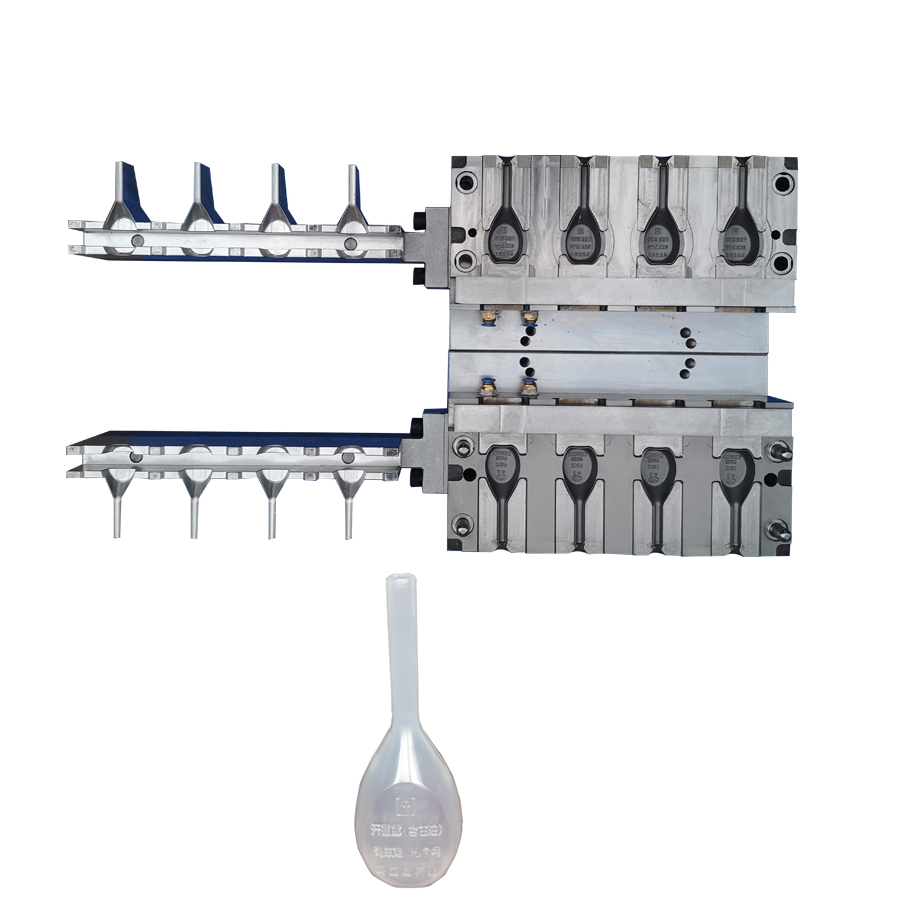
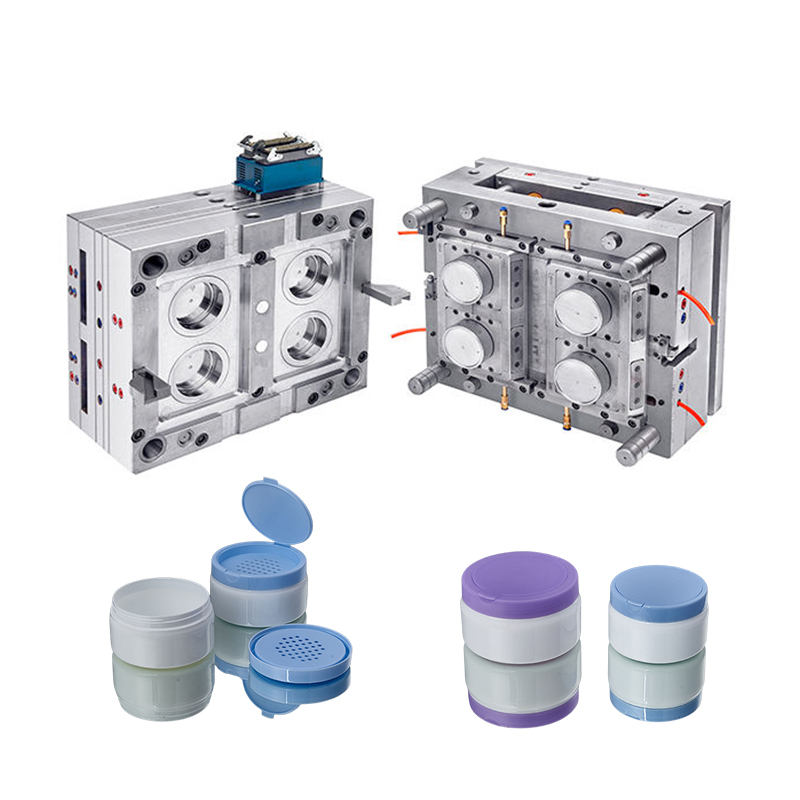
**Advancements in Plastic Injection Molding Propel Manufacturing Innovation**The plastic injection molding industry is experiencing significant growth, driven by advancements in technology and increasing demand across various sectors. Plastic injection molding, a versatile manufacturing process, allows for the efficient production of high-quality plastic components in large volumes. This process involves melting plastic pellets and injecting the molten material into a mold cavity under high pressure, where it cools and solidifies into the desired shape. As industries such as automotive, electronics, healthcare, and consumer goods continue to expand, plastic injection molding has become an essential technique for producing complex and precise plastic parts at scale.One of the key factors contributing to the evolving landscape of plastic injection molding is the incorporation of innovative materials and automation technologies. Manufacturers are leveraging high-performance thermoplastics and composites to enhance product durability, reduce weight, and improve functional properties. Simultaneously, automation systems, including robotics and advanced control software, are being integrated into injection molding machines to boost production efficiency, ensure consistency, and minimize human error. These technological enhancements are enabling companies to meet stringent quality standards while reducing turnaround times and manufacturing costs.In parallel with technological advancements, companies specializing in plastic injection molding are strengthening their capabilities and expanding their service offerings. Leading manufacturers provide comprehensive solutions encompassing design consultation, prototype development, mold fabrication, and full-scale production. By collaborating closely with clients from initial concept to final product delivery, these companies ensure that the injection molded components meet specific requirements related to performance, aesthetics, and cost-effectiveness.A noteworthy company in this sector has built a solid reputation for its expertise in plastic injection molding and commitment to quality excellence. With a well-equipped facility featuring state-of-the-art injection molding machinery, the company is capable of handling diverse projects ranging from small precision parts to large, complex components. Its team of skilled engineers and technicians employ advanced CAD/CAM software and mold flow analysis tools to optimize mold design and process parameters, resulting in improved product quality and reduced waste.Moreover, the company emphasizes sustainability practices throughout its operations. By implementing energy-efficient equipment, recycling plastic scrap materials, and adopting eco-friendly packaging solutions, it aims to minimize environmental impact while maintaining competitive pricing. This approach aligns with growing industry and consumer expectations for responsible manufacturing and supports clients’ sustainability goals.Customer-centric service is another hallmark of the company’s success. Understanding the critical nature of lead times in today’s fast-paced market, the company offers rapid prototyping capabilities and flexible production scheduling. Its dedicated quality assurance team performs rigorous inspections at every stage of production, adhering to international standards such as ISO 9001 and IATF 16949, to ensure consistent product reliability.The expanding applications of plastic injection molding further underline the strategic importance of this manufacturing process. In the automotive industry, for example, lightweight injection molded parts contribute to fuel efficiency and emission reduction. Medical device manufacturers rely on injection molding for producing sterile, biocompatible components with intricate geometries. The electronics sector benefits from molding housings and connectors that protect sensitive circuitry while allowing for compact designs.Looking ahead, the plastic injection molding industry is poised for continued innovation. Emerging trends include the use of additive manufacturing techniques to create molds with complex cooling channels for faster cycle times, the integration of Industry 4.0 technologies for real-time process monitoring, and the development of bio-based and recyclable plastic materials. These advancements will enable manufacturers to offer even more customized solutions, meet tighter tolerances, and adhere to evolving regulatory requirements.In conclusion, plastic injection molding remains a cornerstone of modern manufacturing, providing versatile, efficient, and cost-effective solutions for a wide array of industries. Companies that invest in cutting-edge technologies, sustainable practices, and customer-focused service are well-positioned to capitalize on the growing demand for high-quality plastic components. As innovation continues to drive the sector forward, plastic injection molding will maintain its vital role in delivering the next generation of products shaping everyday life.
Read More